


Does Russian Manicure Hurt? What First-Timers Need to Know
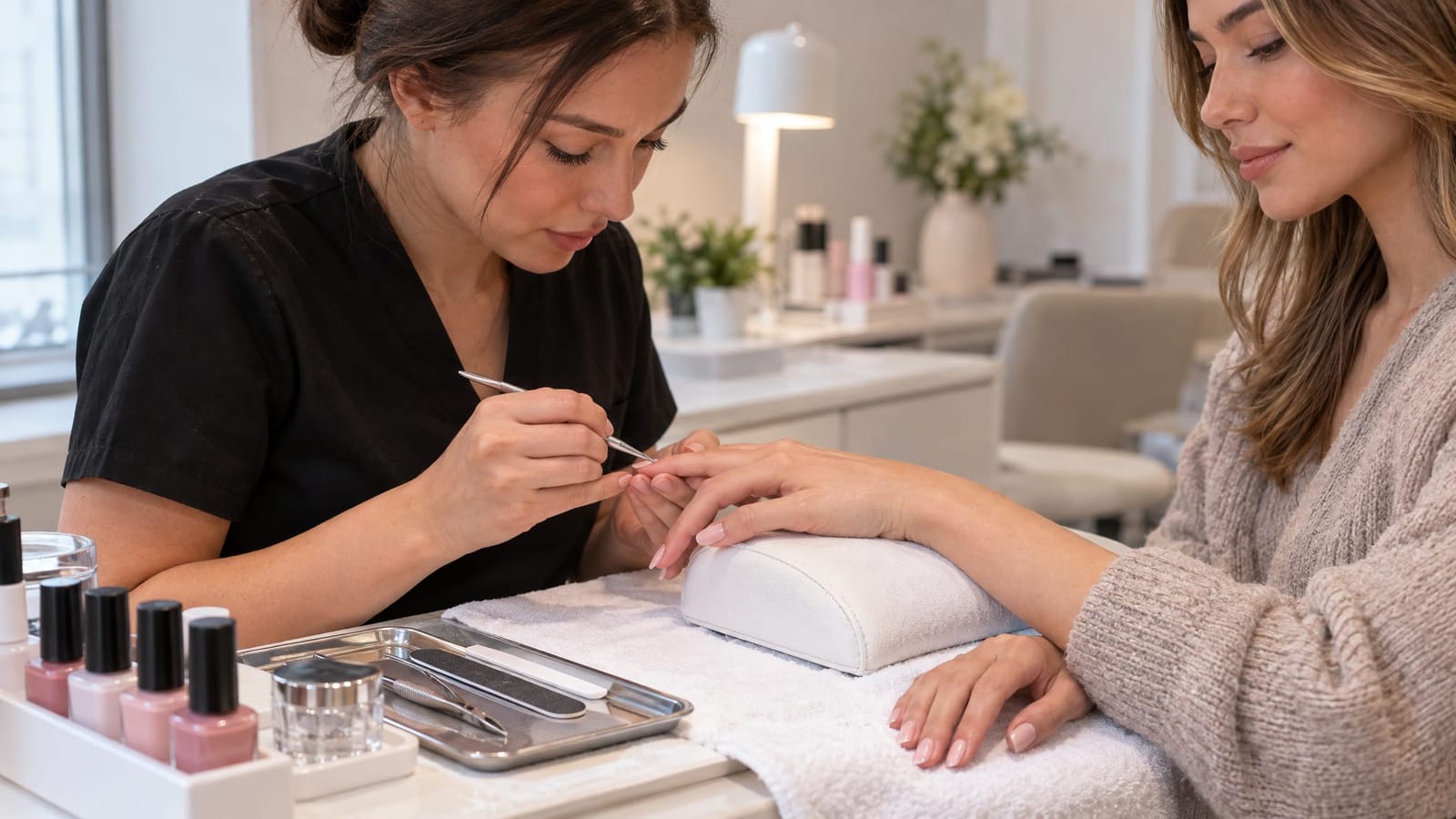
A Russian manicure is not meant to hurt. You may feel light vibration or gentle pressure from the electric file, but sharp pain, burning, or pinching are reasons to pause, not sensations to tolerate for a polished result.
If the idea of an electric tool near your cuticles makes you nervous, understanding its purpose can make the appointment feel more approachable. Comfort depends on controlled technique, the condition of your nails and surrounding skin, and clear communication. A meticulous finish does not require aggressive preparation.
What happens during the e-file process?
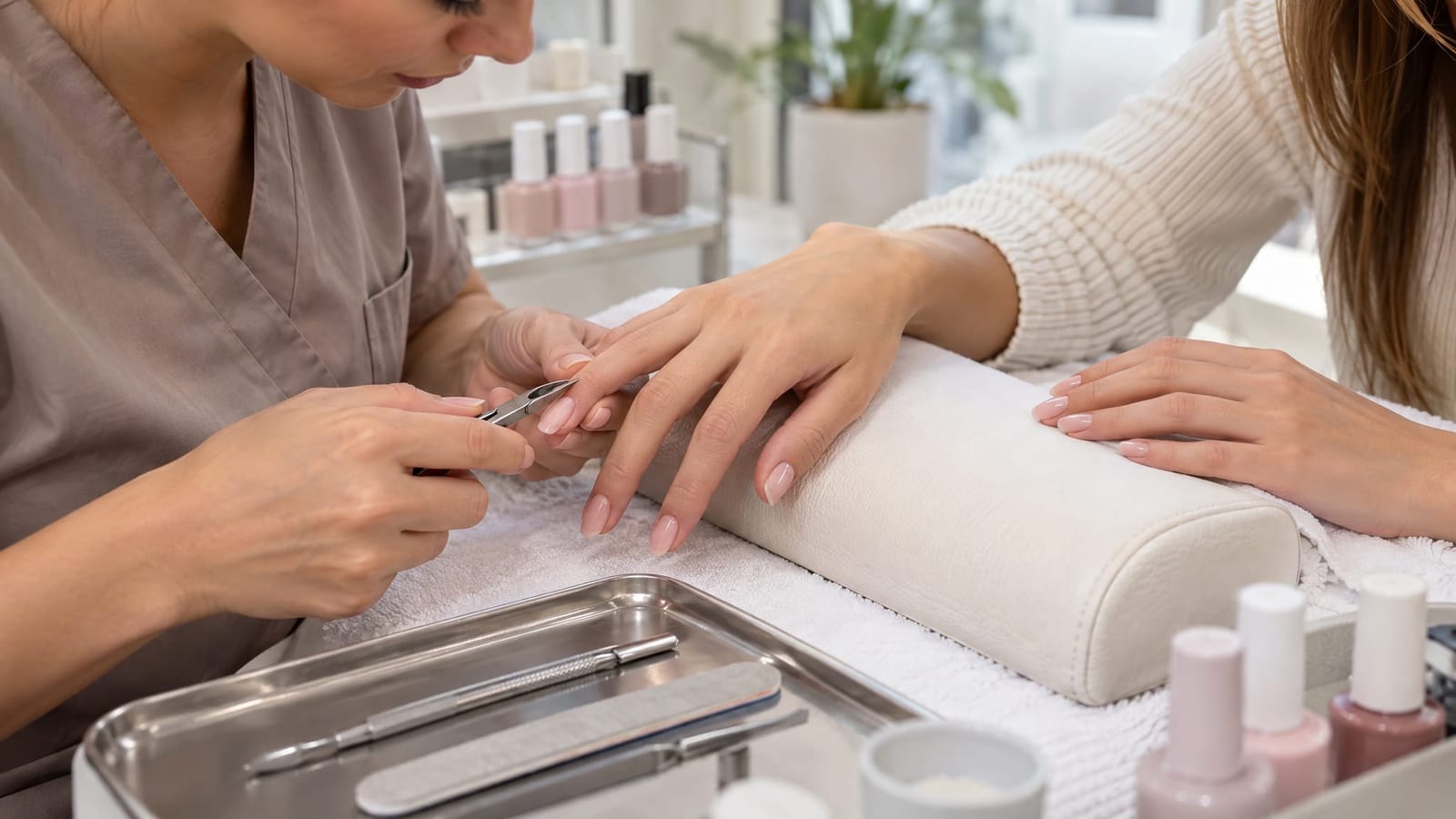
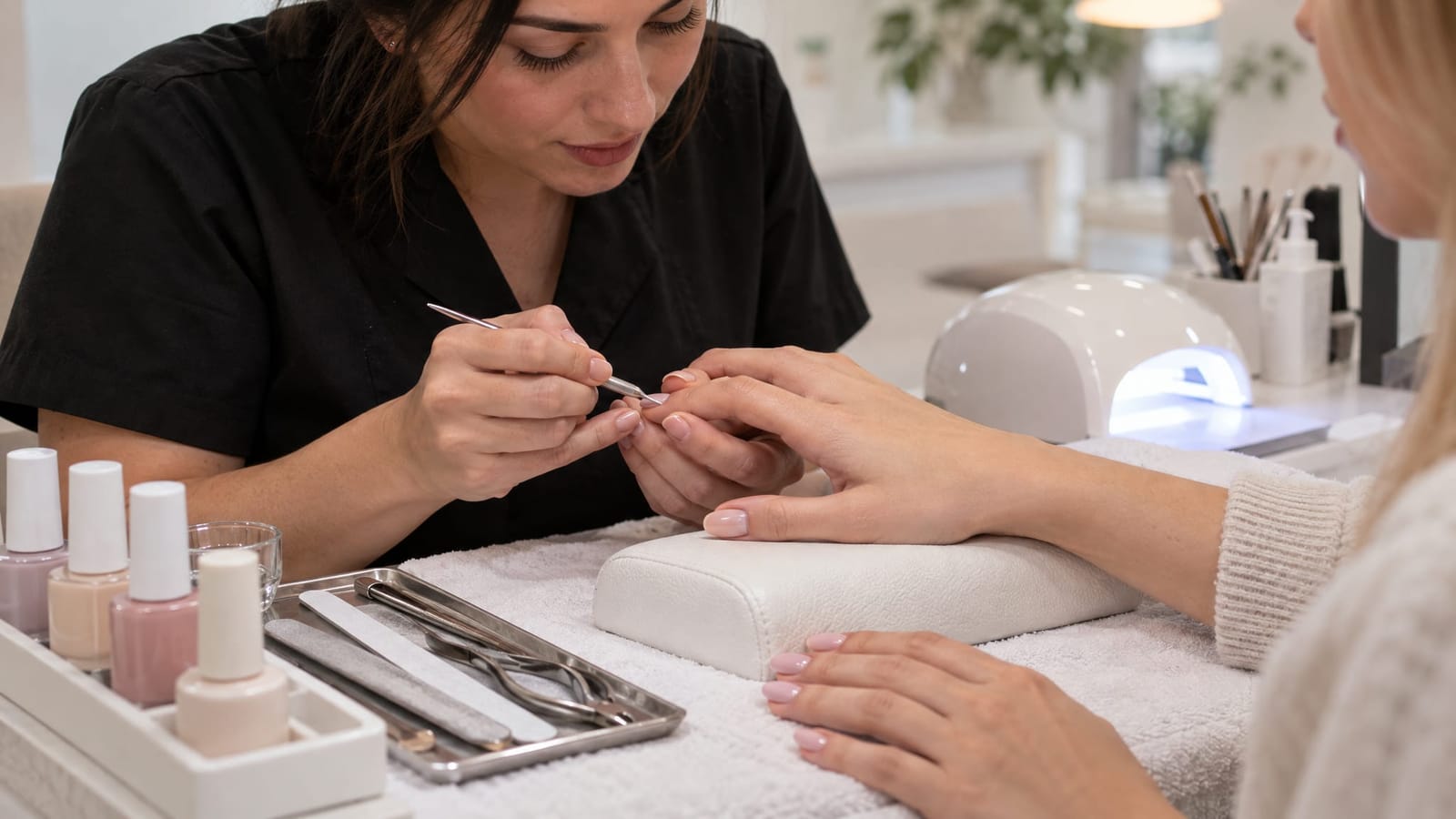
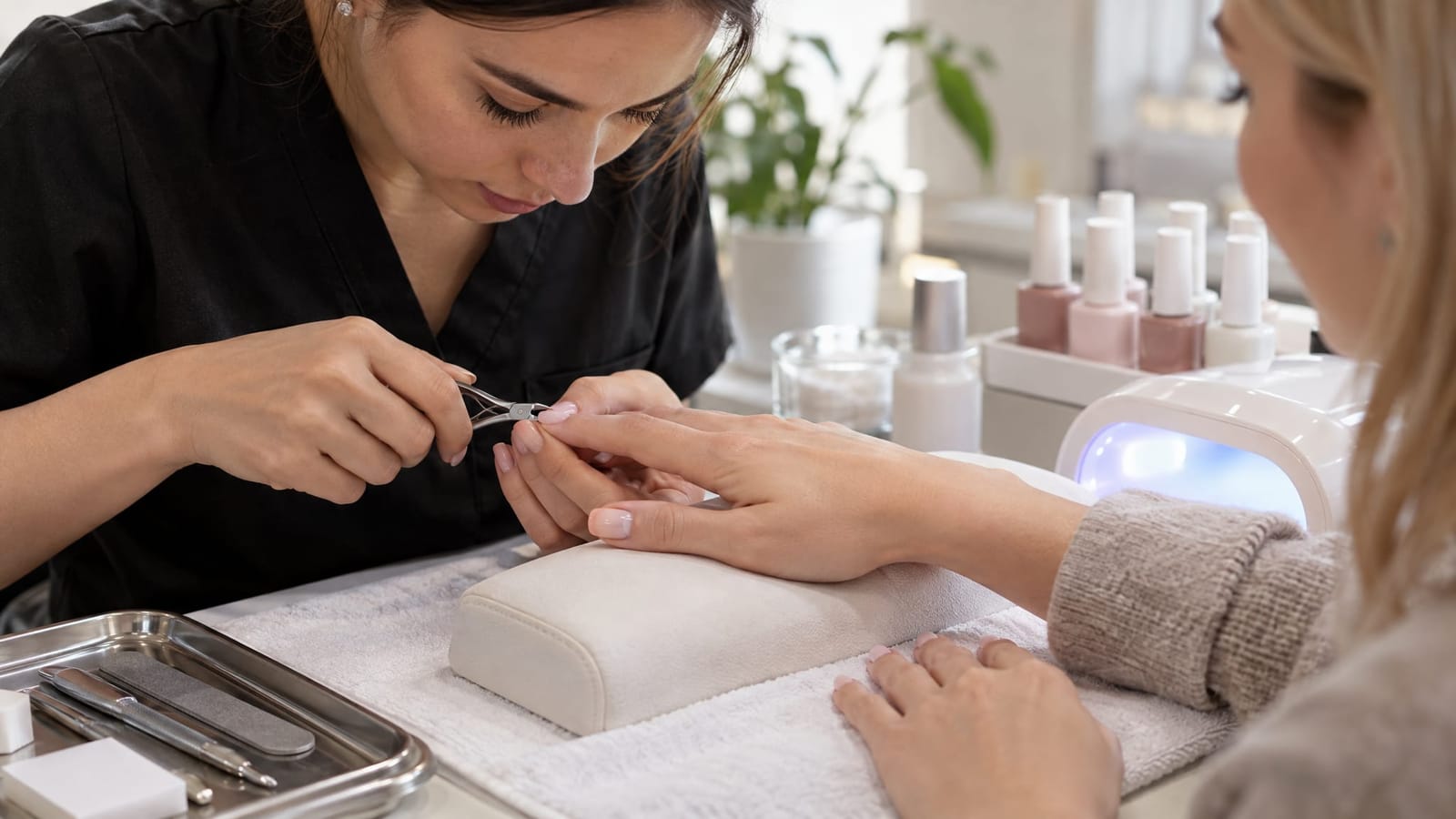
A Russian manicure focuses on detailed, dry preparation of the nails and cuticle area rather than beginning with a water soak. An electric file, often called an e-file, uses small rotating attachments to perform precise filing and detailing.
The tool is not intended to grind away the natural nail or remove as much skin as possible. Different attachments serve different purposes, and the technician controls their placement, pressure, and movement. This is professional preparation, not a technique to recreate at home with a nail drill.
It also helps to separate preparation from the finish. “Russian manicure” describes the preparation approach, while gel polish, hard gel, or regular polish describes what goes on the nail afterward. Removing an existing enhancement is another distinct part of an appointment. Letting your technician know what is already on your nails helps clarify the work involved.
What sensations are different from pain?
The sound of an e-file can seem more intense than the contact itself. Pay attention to what you feel rather than assuming the buzzing means the service will be uncomfortable.
- Light vibration: A gentle buzzing sensation can occur when the attachment makes contact.
- Mild pressure: You may notice your technician supporting your finger or making controlled contact with the nail.
- Sharp, stinging, or pinching sensations: These are reasons to speak up and pause the work.
- Burning or increasing heat: This is not something to endure while waiting for the technician to finish an area.
There is no need to determine the cause before saying something. “That feels sharp on the left side” gives your technician more useful information than trying to sit through it. Bleeding is not a sign of thorough cuticle detailing, either.
Discomfort does not have one universal explanation. Tool contact, pressure, and existing sensitivity can all matter. What matters during the appointment is that your feedback changes how the service proceeds.
Why technician skill and hygiene both matter
Precision involves more than creating a neat polish line. A skilled approach includes supporting the finger, controlling the tool, recognizing delicate areas, and adjusting the service instead of applying the same amount of preparation everywhere.
At TK Nails in Westwood Village, Los Angeles, our licensed technicians specialize in Russian manicure services. We emphasize detailed consultations, precise application, and attentive service. Our approach to luxury nail care centers on thoughtful detail and personal attention, not more aggressive cuticle removal.
Cleanliness is equally important. We clean, disinfect, and sterilize reusable instruments between clients and discard single-use items after use. Hygiene and careful technique address different aspects of the service; one does not replace the other.
Our focus on long-lasting results also does not mean pushing preparation further. A refined finish comes from appropriate preparation and application, not treating discomfort as a necessary tradeoff for longer wear.
What to tell your technician before and during the service
You do not need technical vocabulary to explain your preferences. A few specific details give your technician a clearer starting point:
- Mention that it is your first Russian manicure. “I am new to the e-file and would like you to explain each stage” makes your comfort preferences clear.
- Point out sensitive areas. Mention tenderness, recent snags, or a finger that felt uncomfortable during a previous appointment before preparation begins.
- Describe your preference for skin detailing. “I prefer conservative work around the skin” is more useful than simply asking for a clean look.
- Give immediate, specific feedback. “That spot feels hot. Can we pause?” identifies both the sensation and the action you want.
Keeping your hand relaxed can make positioning easier, but staying silent is not part of being a good client. If you need to move or take a break, saying so lets the technician stop contact before you reposition.
What if your nails or skin are already sore?
Existing soreness changes the conversation. A cosmetic appointment is not an opportunity to file away tenderness or make irritated skin look tidy at any cost. Mention broken skin, recent injuries, or discomfort before any work starts so the service can be reconsidered.
For persistent pain, swelling, or a suspected infection, your situation needs assessment by a licensed healthcare professional rather than a cosmetic nail service.
Frequently asked questions
Does a Russian manicure hurt more on short nails?
Short nails do not call for more aggressive preparation. Length alone does not determine comfort. The condition of the nail and surrounding skin, the work being performed, and the technician’s control matter more than whether you wear a short or extended shape.
Is heat under a gel lamp part of the e-file process?
No. Gel curing under a lamp is separate from Russian manicure preparation. If you choose a gel finish and it feels uncomfortably hot during curing, let your technician know immediately. The distinction helps you describe exactly when the discomfort occurs.
Can I have a Russian manicure without gel polish?
Yes. The preparation method and polish choice are separate decisions. We offer no-polish manicures, regular polish, and gel polish options. Choosing no polish does not automatically mean less cuticle detailing, so communicate your preparation preferences as well as your desired finish.
A precise finish does not require pushing through pain
Light vibration and gentle contact are different from sharp pain or burning. For a first appointment, the most useful approach is clear communication about sensitivity, preparation preferences, and any uncomfortable sensation as it happens. Beautiful detailing and a comfortable experience belong in the same conversation.